Many people do not understand the difference between the deep web and the dark web. The dark web is often glorified by news channels, documentaries, and internet discussions as the scariest place imaginable, but the deep web and the dark web are not the same thing.
The deep web is simply any part of the internet that cannot be accessed without specific permissions or credentials. For example, when you log into your bank account, social media account, or an online portal for work or school, you are accessing pages that are not visible to the general public. Those pages exist online, but search engines cannot index them, and regular users cannot access them without the proper login information.
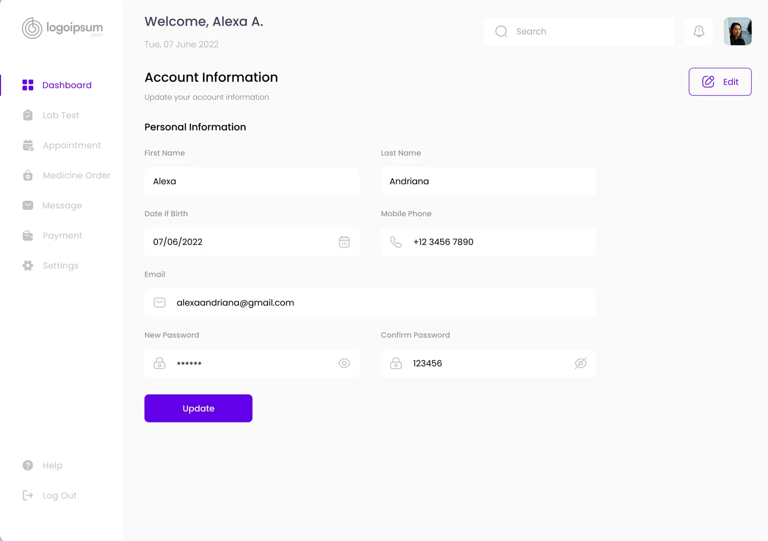
Example of a page considered to be the deep web. An account home page is not accessible by standard search engines.
The same idea applies to content hidden behind paywalls. If a news website requires a subscription before you can read an article, that content is technically part of the deep web because it is not freely accessible to everyone. In reality, the vast majority of the internet is part of the deep web. It consists mostly of private, legitimate content rather than anything mysterious or dangerous.
The dark web, however, is something entirely different.
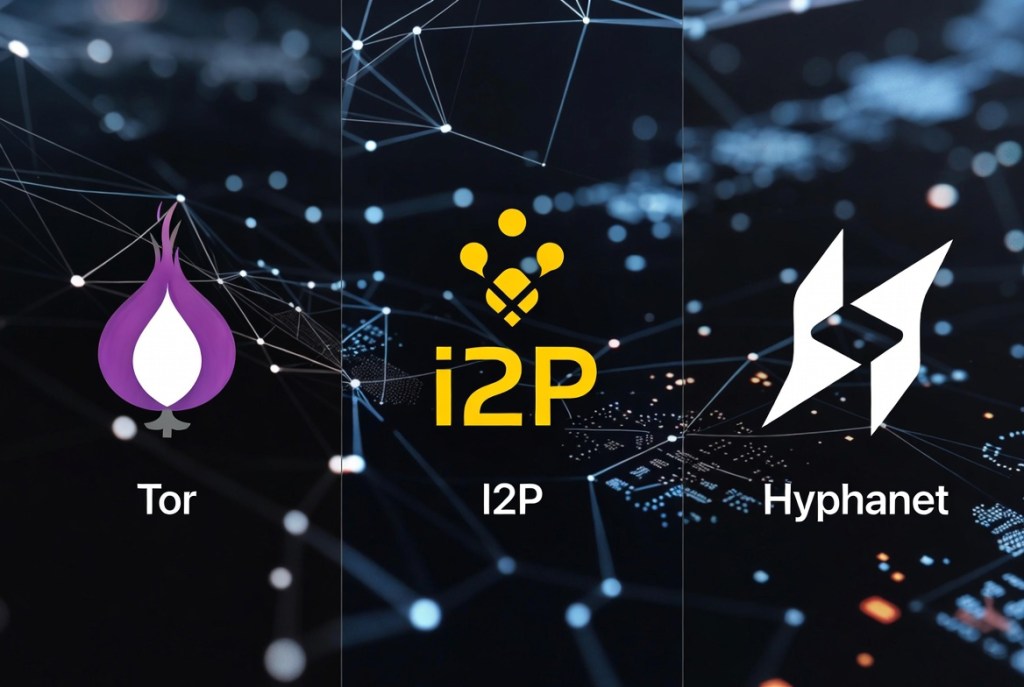
Most people access the regular internet through common web browsers such as Chrome, Firefox, Safari, or Edge. To access the dark web, specialized software is usually required. The most well-known dark web network is Tor, which stands for The Onion Router. However, Tor is not the only dark web network. Other examples include I2P and Freenet, which was later rebranded as Hyphanet. Each network functions differently, but they all focus on privacy, anonymity, and decentralized communication.
Tor is by far the most well-known dark web network and is often associated with criminal activity. While there are legitimate reasons for using Tor, such as protecting privacy, bypassing censorship, or communicating anonymously, it is also true that illegal activities have historically existed there.
One of the most unusual aspects of Tor is its websites. Unlike normal websites with recognizable domain names, many Tor websites use long strings of seemingly random letters and numbers ending in “.onion.” Because of this, it can be difficult to know what a website actually contains before visiting it.
Tor also has search engines, such as Ahmia and Torch, that attempt to index .onion websites. However, searching these websites can feel very different from using Google. A search result might have a harmless title or description, but there is often no guarantee that the content behind the link matches what is advertised. This uncertainty is one of the reasons many people consider the dark web risky to explore.
The dark web contains a mix of content. Some websites are perfectly ordinary. You might find discussion forums, blogs, cooking websites, privacy-focused communities, archives, or other harmless resources. Some websites are intentionally humorous or bizarre. However, there are also illegal websites and disturbing content that most people would never want to encounter.
For that reason, many people who have explored the dark web eventually conclude that there is little practical reason for the average person to visit it. While curiosity is understandable, the potential risks often outweigh the benefits. Users may encounter scams, malware, fraudulent marketplaces, disturbing material, or other content they never intended to find.
It is also important to note that law enforcement agencies around the world actively monitor and investigate criminal activity on the dark web. Contrary to popular belief, the dark web is not completely unregulated or beyond the reach of authorities. Numerous illegal marketplaces, forums, and criminal operations have been shut down over the years through international investigations.
Ultimately, the deep web and the dark web are two very different things. The deep web is simply the enormous portion of the internet that is hidden behind logins, subscriptions, or permissions. The dark web is a much smaller part of the internet that requires specialized software and focuses on anonymity.
The reason the dark web has developed such a frightening reputation is not because every website on it is dangerous. Rather, it is because users often have very little information about what they are accessing. With websites hidden behind random-looking domain names and minimal oversight, there is always an element of uncertainty. Sometimes ignorance really is bliss, and for most people, there is little to gain from exploring the dark web beyond satisfying curiosity.
Downloads (Please use with caution)
Tor Download https://www.torproject.org/download/
Hyphanet: https://www.hyphanet.org/pages/download.html
I2P Download: https://i2p.net/en/downloads/
 Niche Tech Space
Leave a comment