

The Steam Deck is sold directly on Steam, and the lineup is simpler now than it used to be. Valve discontinued the LCD models in December 2025, so the only ones you can buy new are the OLED versions: 512GB for $789 and 1TB for $949. Both have the same 7.4-inch OLED screen at 90Hz — the only real difference is storage, plus anti-glare etched glass on the 1TB model.
Another great feature of this device is that it can be connected to a television for a larger screen experience. There are two ways to accomplish this: using a USB-C to HDMI adapter or the official Steam Deck Dock. The Dock provides additional ports and a more stable connection. This versatility makes the Steam Deck a compelling choice for gamers who want flexibility in how they play their games. Additionally, the Steam Deck supports external monitors, allowing users to enjoy their games in higher resolutions when docked.
The Steam Deck also supports microSD cards, which can be used to expand storage further. This is particularly useful for gamers who want to install multiple large games without worrying about running out of space. The ability to swap out microSD cards makes it easy to carry an extensive library of games wherever you go. 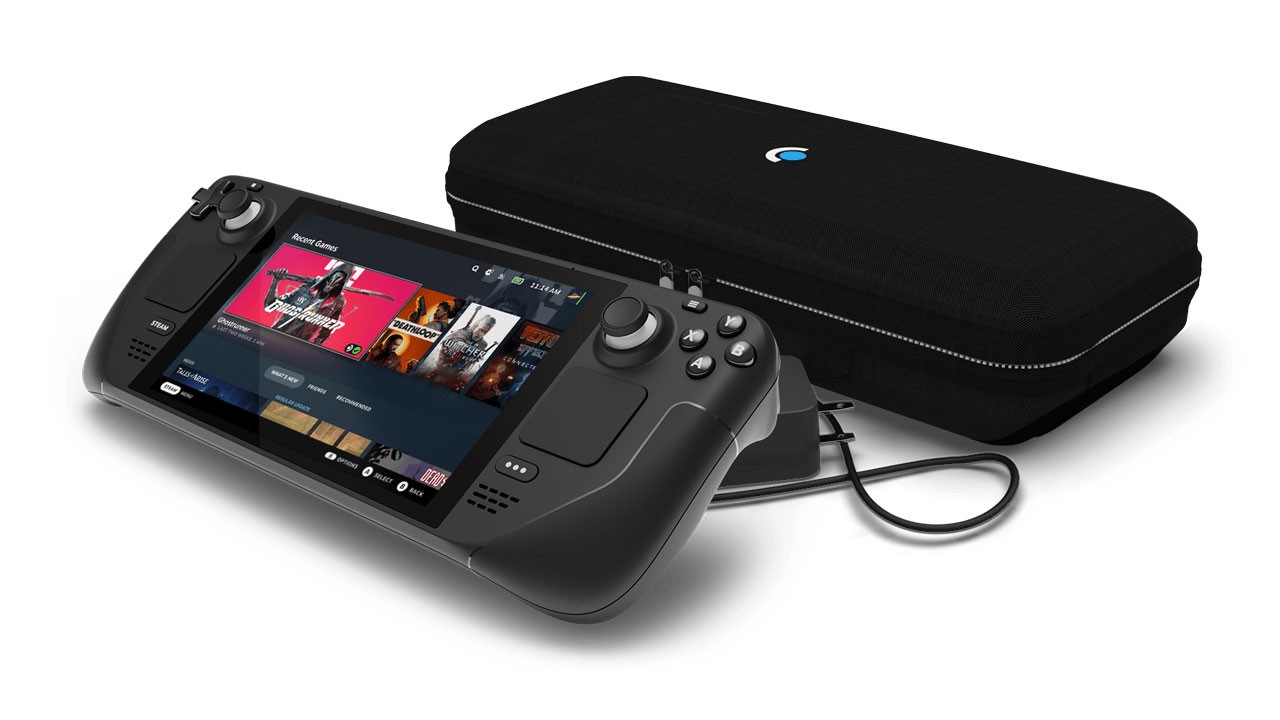
Downsides of the Steam Deck
While the device is great for Steam and PC players, there are some drawbacks to consider before buying. Firstly, the device’s controls can feel a bit unconventional at first, and it may take some time to adjust. This is because PC players usually play games with a keyboard and mouse, while the Steam Deck has joysticks and buttons like a console controller. For players who have used a controller on PC, it should be easy to pick up. Additionally, the controls can be customized to suit your preferences. The Steam Deck also features trackpads, which mimic the precision of a mouse, making it easier to play games that require fine control.
Another thing to consider is that battery life can vary depending on the game, with high-end games draining it more quickly. For instance, playing graphically intensive games like “Cyberpunk 2077” or “Elden Ring” may result in battery life of around 2-3 hours, while less demanding games like “Stardew Valley” or “Hollow Knight” can last up to 7-8 hours. This can also lead to heating issues with the device. Many portable gaming devices face similar cooling challenges. If these are concerns for you, it’s worth exploring other devices like the Asus ROG Ally, which is another popular option for portable PC gaming.
Finally, the Steam Deck is a mature device now, but some game compatibility and software issues can still pop up. However, Valve has been continuously improving the device through updates, and portable gaming devices like the Steam Deck are expected to get better over time. Valve’s “Proton” compatibility layer allows many Windows games to run on the Linux-based SteamOS, but not all games are fully supported yet. Checking the compatibility of your favorite games on the Steam Deck Verified list is recommended before purchasing.
Additional Features Worth Mentioning
The Steam Deck also supports a wide range of accessories, such as external storage devices and Bluetooth peripherals like keyboards, mice, and headphones. This makes it a versatile tool not just for gaming but also for productivity tasks. For example, you can connect a keyboard and mouse to use the Steam Deck as a mini PC, enabling tasks like web browsing, document editing, or even light programming.
Additionally, the Steam Deck runs on a Linux-based operating system, which allows tech-savvy users to install other software or even alternative operating systems, further expanding its capabilities. For instance, users can install Windows to access non-Steam games or applications like Xbox Game Pass. This flexibility makes the Steam Deck a unique device that caters to both casual gamers and tech enthusiasts.
Another noteworthy feature is the Steam Deck’s ability to emulate older gaming consoles. With the right software, users can play classic games from systems like the PlayStation 2, GameCube, or even the Nintendo Switch. This opens up a world of retro gaming possibilities, making the Steam Deck a one-stop solution for gaming across generations.
Who Is the Steam Deck For?
The Steam Deck is ideal for gamers who already have a Steam library and want a portable way to enjoy their games. It’s also a great option for those who travel frequently or prefer gaming in different locations around the house. For PC gamers who have been hesitant to invest in a gaming laptop, the Steam Deck offers a more affordable and portable alternative.
However, the Steam Deck may not be the best choice for gamers who primarily play competitive multiplayer games. While it’s capable of running such games, the smaller screen and portable controls may not provide the same level of precision as a dedicated gaming PC setup. Additionally, gamers who are not comfortable tinkering with settings or troubleshooting minor issues may find the Steam Deck’s flexibility overwhelming.
Conclusion: Should You Buy?
A portable gaming device like the Steam Deck is a great investment for someone who already has a gaming PC and experience using Steam. It’s an excellent option for gaming on the go, but potential buyers should be aware of its battery and cooling limitations, which depend on the games being played. Despite these drawbacks, the Steam Deck offers impressive features, such as a high-quality OLED 90Hz display and up to 1TB of SSD storage in its higher-end models. This is remarkable for a portable gaming device.
The Steam Deck’s versatility, from its ability to run modern AAA games to its support for retro emulation and productivity tasks, makes it a unique device in the gaming market. Whether you’re a casual gamer looking for convenience or a tech enthusiast eager to explore its full potential, the Steam Deck has something to offer. If you’re interested, you can check it out here: Steam Official Website.