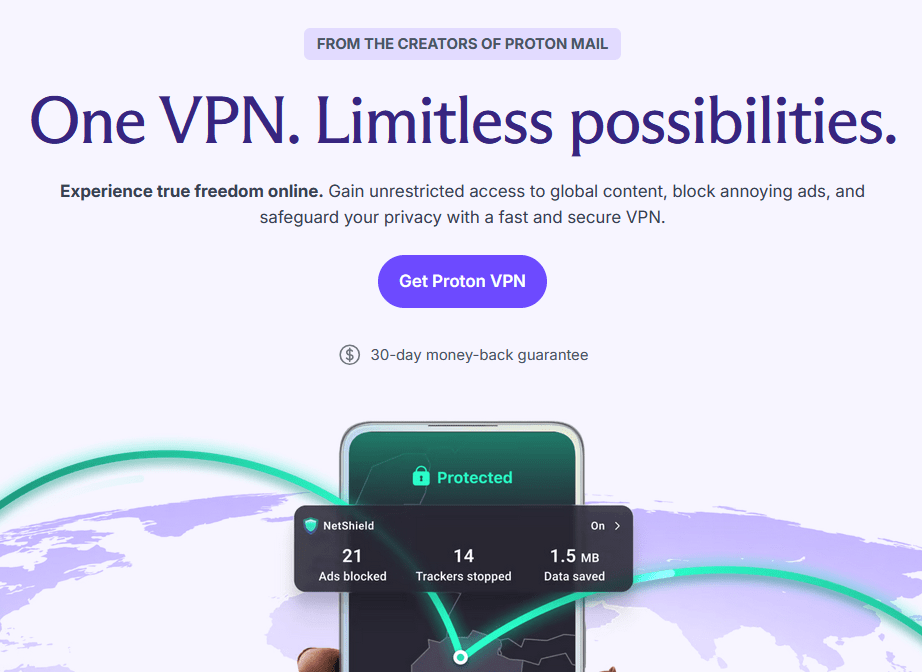
A Virtual Private Network, or VPN, is a type of software people install on their devices to help hide their IP address while browsing the internet. What that really means is that a VPN can keep your internet activity private from your internet service provider or anyone else watching the network. It also hides your physical location and can even make it look like you’re somewhere completely different. You could appear like you’re browsing from another state or even another country entirely, depending on the VPN software you’re using.
VPNs are often used for privacy, especially when browsing sensitive information or using networks that aren’t secure. Most people might not think about how exposed their internet connection is when they use public Wi-Fi at a coffee shop or airport, but without a VPN, your data could be visible to others on that same network. A VPN puts a layer of protection between you and the outside world, which can be helpful in a lot of different situations.
There are a bunch of different VPN programs out there that you can install on pretty much any computer or phone. Some are simple and free, while others are more advanced and cost a little bit of money each month. No matter which one you pick, the main purpose is always the same: privacy and protection while online.
Why It’s Important to Have a VPN
There are a lot of reasons why someone would want to use a VPN, and not all of them are good. Let’s be honest—some people do use VPNs to hide what they’re doing online because they’re visiting websites they shouldn’t be. Unfortunately, VPNs sometimes get a bad reputation because of that. It’s not the tool that’s the problem, but how people decide to use it. Just like anything else online, there’s a right way and a wrong way to use a VPN.
The truth is, browsing certain illegal or explicit websites can lead to serious issues. It can mess with your mental health, damage relationships, and in some cases, lead to jail time. A VPN isn’t a shield from consequences. It’s not something that should be used to hide bad behavior. That being said, there are a lot of positive, smart reasons to use a VPN—and this is where the conversation gets more important.
When you’re using a public network, like the Wi-Fi at your school, the library, or a fast-food restaurant, that connection is not secure. Other people connected to the same network could potentially see what you’re doing, or worse, try to access your information. This is where a VPN can make a big difference. It helps protect your data and adds an extra layer of safety so that your connection is private, even when the network itself isn’t.
Whether you’re checking your bank account, signing into email, or just browsing social media, using a VPN on public Wi-Fi is one of the smartest things you can do. It doesn’t mean you’re hiding anything bad—it just means you’re being smart and protecting your own privacy.
Picking the Right VPN for You
There are a lot of different VPNs to choose from, and the right one really depends on what you’re looking for. You can go with a free option, or you can choose to pay for more features. Paid VPNs usually offer better performance, faster connections, and more options for choosing your browsing location. For example, a paid VPN might let you choose from hundreds of different countries, while a free one might only give you a few options or cut you off after a certain amount of time.
Some people are fine with a basic free VPN just to keep their browsing private once in a while, and that’s totally okay. But if you’re someone who is always on public networks or who takes online privacy seriously, a paid VPN might be the better choice. A lot of the best ones offer apps for your phone, tablet, and even your smart TV, so you’re protected on every device you use. These services often include customer support, no ads, and no data limits, which makes them a lot more reliable in the long run.
Before you install anything, it’s a good idea to do your research and read what other people have said about different VPNs. Look for ones with a strong reputation, good reviews, and clear policies on how they handle your data. Not all VPNs are created equal—some free ones might actually log your information and sell it, which defeats the whole purpose. So it’s worth being careful and choosing a trusted one from the start.
Conclusion
A VPN is a smart tool to have, especially in today’s world where online privacy isn’t always guaranteed. It helps protect your location, keeps your internet activity private, and adds a layer of security when you’re on risky or public networks. While VPNs sometimes get a bad name because of how some people choose to use them, there are plenty of good, safe reasons to have one installed on your device. Whether you go with a free option or invest in a paid version, the most important thing is to use it responsibly. A VPN won’t solve every problem online, but it can definitely help keep you a little safer and give you more control over your privacy.
 Niche Tech Space
Leave a comment