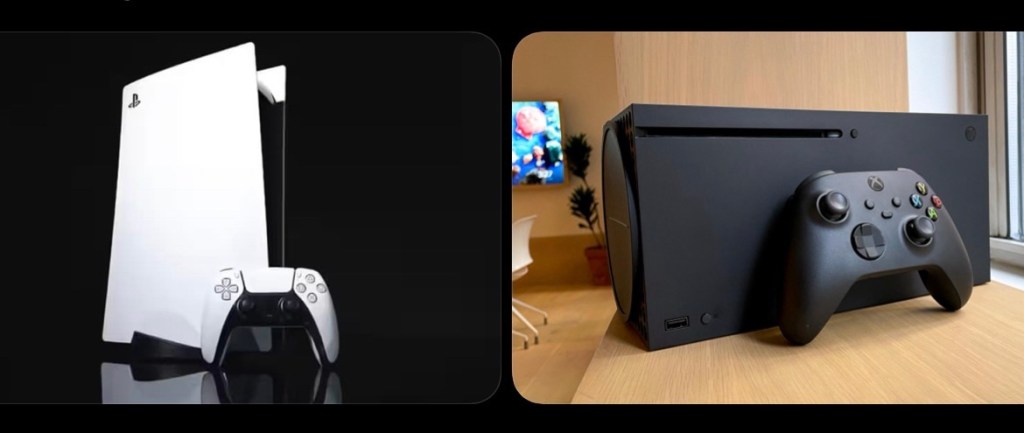
The cost of gaming has always fluctuated, but March 2026 is shaping up to be one of the most frustrating periods for players in recent memory. Prices for consoles are rising again, availability is getting worse, and even devices that were once considered affordable alternatives are becoming harder to find.
The cost of everything is going up, and it is frustrating that gaming devices are also following this path. This is a shortage on random access memory, which has also made it a problem to buy the steam deck.
That statement isn’t just a feeling—it reflects what is happening across the global tech economy right now. Gaming consoles sit at the intersection of multiple industries—semiconductors, logistics, manufacturing, and global trade—and all of those areas are under pressure at the same time. When those pressures stack up, the result is exactly what we are seeing now: higher prices and lower availability.
At the center of this situation is the shortage of memory, specifically DRAM and NAND. These are essential components in every modern console, from high-end systems to handheld devices. Over the past couple of years, demand for memory has exploded, largely because of artificial intelligence. Companies building AI infrastructure are buying massive quantities of RAM for data centers, and they are willing to pay premium prices to secure supply. That shifts the entire market.
Memory manufacturers naturally prioritize their most profitable customers, which means fewer components are available for consumer electronics like gaming consoles. When supply drops and demand rises, prices increase. That increase hits manufacturers first, but it does not stay there. It moves down the chain until it reaches the consumer.
This is why companies like Sony and Microsoft are raising prices. It is not just about profit margins—it is about maintaining production in a much more expensive environment. When the cost to build a console goes up significantly, companies have only a few options: absorb the cost, reduce production, or pass it on to customers. In 2026, most are choosing the third option.
At the same time, inflation is still affecting nearly every part of the economy. Shipping costs remain elevated compared to pre-2020 levels, labor costs have increased, and raw materials are more expensive. Even packaging and distribution contribute to the final price of a console. When you combine all of these factors, the increase in price starts to make more sense, even if it is frustrating.
There is also a strategic shift happening in the tech world that is making things worse for gamers. Hardware is no longer the main profit driver for many companies. Instead, services, subscriptions, and digital ecosystems are where the real money is made. This changes how companies approach hardware pricing. In the past, consoles were often sold at a loss to build a user base. Now, with rising costs and a stronger focus on profitability, that model is becoming harder to sustain.
The situation becomes even clearer when looking at the Steam Deck. What was once seen as a relatively accessible entry point into PC gaming is now facing serious availability issues.
The Steam Deck being out of stock is not just a random supply issue. It is a direct reflection of the same memory shortage affecting the entire industry. Valve relies on many of the same components as traditional console manufacturers, including RAM and storage chips. When those components become scarce, production slows down or stops entirely.
This creates a ripple effect. Limited supply leads to higher demand, which can drive up resale prices and make the device even harder to obtain. It also pushes consumers toward alternative products, which then increases demand across the entire gaming hardware market. That added pressure feeds back into the system, making shortages and price increases even worse.
Another factor contributing to rising prices is the ongoing tension in global supply chains. Semiconductor production is concentrated in a few key regions, and any disruption—whether political, environmental, or economic—can impact the entire industry. Even small delays in production or shipping can lead to significant shortages when demand is already high.
Tariffs and trade policies are also playing a role. Import costs on electronics have increased in some regions, and those costs are often passed directly to consumers. This adds another layer to the price increases that gamers are seeing in 2026.
There is also a psychological aspect to pricing that should not be ignored. Companies are aware that demand for gaming remains strong, even at higher price points. Gaming is no longer a niche hobby—it is a global entertainment industry that rivals movies and music. Because of that, companies know that many consumers are still willing to pay more, especially for premium experiences.
That does not mean prices will keep rising forever, but it does mean that we are likely in a period of adjustment. The industry is recalibrating after years of relatively stable pricing, and that adjustment is being driven by real economic forces.
Looking ahead, the future of console pricing will depend on how these underlying issues evolve. If memory production increases and supply catches up with demand, prices could stabilize or even decrease. However, if AI continues to dominate the demand for semiconductors, gaming hardware may remain expensive for the foreseeable future.
There is also the possibility that companies will adapt in other ways. Cloud gaming, for example, reduces the need for powerful local hardware. Subscription services can also shift the focus away from upfront costs. But for now, physical consoles are still the primary way people play, and their prices are being directly impacted by global supply and demand.
For gamers, this moment feels like a step backward. After years of technological progress making gaming more accessible, rising prices and limited availability are creating new barriers. The frustration is understandable, especially for those who are trying to upgrade or enter the market.
At the same time, understanding the reasons behind these changes makes it clear that this is not just a gaming problem. It is part of a much larger shift in the global economy. Gaming consoles are simply one of the most visible examples of how those changes are affecting everyday consumers.
In the end, the rising cost of gaming consoles in March 2026 is the result of multiple forces converging at once: a global memory shortage, increased demand from AI, higher production and shipping costs, and a shift in how companies approach hardware pricing. The Steam Deck being out of stock is not an isolated issue—it is a symptom of the same underlying problem.
Until those pressures ease, gamers should expect more of the same: higher prices, tighter supply, and a market that feels more competitive than it has in years.
 Niche Tech Space
Leave a comment