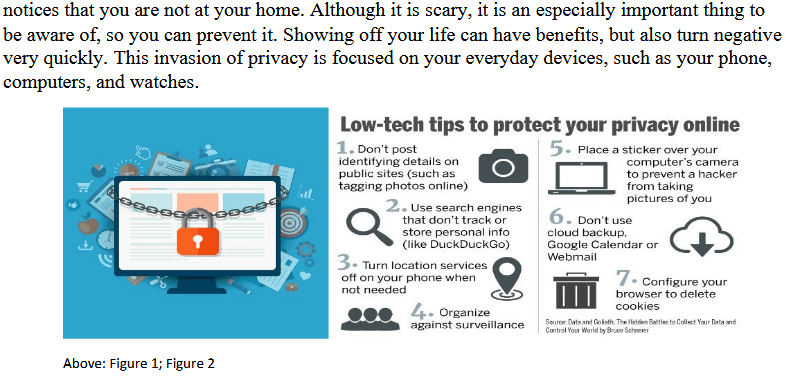
Staying safe and private while browsing the internet is more important now than ever before. Despite how integral the internet has become to daily life, many people are unaware of the best ways to protect themselves from online dangers. The web is full of malicious criminals looking to steal personal data like credit card numbers, IP addresses, and social security numbers. Others aim to harm your computer by tricking you into downloading malicious software that disrupts or damages your system by altering crucial files or drivers. Beyond safety, protecting your privacy on the internet is equally vital because the more personal information you share, the higher the risk of being hacked or tracked. It’s essential to be cautious about what you share online and with whom. Fortunately, there are free tools and built-in software available for all major operating systems like Windows, Mac, and Linux that can help keep you safe and private on the web.
The internet is an incredible tool that simplifies many aspects of life. Many people rely on it to manage personal affairs such as banking, investments, work schedules, and much more. However, what most users don’t realize is that their personal information is constantly at risk. Passwords are a primary line of defense and should be kept secure at all times. Sharing passwords or using the same password across multiple sites creates vulnerabilities that hackers can exploit. Viruses such as malware and spyware threaten your computer’s function by infiltrating the system and potentially destroying or corrupting important files. To avoid these risks, you should never download software from websites you don’t trust or that seem suspicious.
Personal information can be leaked easily and shared with millions without your knowledge. One common way this happens is through physical theft of data, such as someone taking a photo of your credit card and selling that information online. Another way is through hackers exploiting errors in website code. If a website is poorly coded or has security flaws, hackers can take advantage of those to access the database where millions of people’s private information is stored. This data can include addresses, social security numbers, and bank account details, all of which can be used for identity theft or financial fraud.
To safeguard yourself, there are some simple steps you can take. Always check if a website uses secure protocols by looking for a green padlock symbol next to the website’s URL in your browser’s address bar. This indicates that the site uses encryption to protect data transferred between your computer and their servers, making it safer to enter sensitive information or download files. Installing antivirus software is another crucial step to prevent viruses from damaging your system. There are excellent free options available, such as AVG Antivirus, which provides robust protection without costing anything. It’s generally not recommended to pay for antivirus software like McAfee, especially when free versions offer reliable service.
Privacy and safety online go hand in hand. Staying private protects you from many threats, and it complements safety measures by limiting what others can find out about you. Never share personal information on websites you do not trust or that your browser or antivirus software flags as unsafe. Social media platforms like Instagram and Facebook are notorious for collecting and storing massive amounts of personal data in databases that are sometimes vulnerable to hacking. Posting too much detail about your life, where you live, or who you spend time with can open doors to cybercriminals. Since social media profiles are often public or accessible to a wide audience, anyone can track your activities, relationships, and whereabouts, which can lead to serious privacy invasions.
One effective way to stay private on the internet is to use private browsing modes available in most browsers. These modes prevent your browsing history from being saved and block many tracking cookies. Additionally, using a VPN, or Virtual Private Network, can significantly enhance privacy by hiding your IP address and encrypting your internet traffic. This means your internet service provider and websites cannot easily identify or track you based on your online activity. VPNs help protect your identity and make it harder for hackers or marketers to follow your movements on the web.
The internet is both a fantastic resource and a dangerous place. People online have the power to influence your life as much as individuals in the physical world. If you aren’t careful, your computer can become infected with malware that causes serious problems, not only with your device but potentially with your finances or reputation. Giving personal information to strangers or visiting unsafe websites can have disastrous consequences. The internet is vast and, unfortunately, contains illegal content that is easy to find if you’re not cautious. The key is awareness and taking proactive steps to keep your digital self safe and private.
Technology continues to advance rapidly, and with this growth, there are individuals who exploit these advances for malicious purposes. For example, posting a simple photo on social media might seem harmless, but it can reveal your location or personal habits to criminals or unwanted observers. Privacy invasions can occur through everyday devices like phones, computers, and smartwatches, which often collect more data than users realize. This data is stored in databases and, if not properly secured, can be accessed by hackers. Being aware of these risks helps prevent potential harm.
Many people underestimate the importance of online privacy and safety, especially younger users who grow up immersed in technology. Young users tend to share more information online without fully understanding the potential risks. While there are security measures embedded into most websites and apps, such as two-factor authentication or encryption, many users skip these important steps. Failing to follow security precautions makes phones and computers more vulnerable to hacking and scams.
The global situation, such as the pandemic, has accelerated reliance on technology, increasing the amount of time people spend online and the number of services accessed through digital devices. This growth has unfortunately led to more frequent cyberattacks and identity theft cases. That’s why protecting your personal data and device safety has become more critical than ever.
In order to stay protected, educate yourself on the risks and make use of available resources. Use free antivirus software, ensure the websites you visit are secure, avoid oversharing on social media, and take advantage of privacy tools like VPNs and private browsing. Regularly updating your operating system and software also closes security loopholes that hackers might exploit.
In summary, your safety and privacy online depend largely on your actions. The internet can be a scary place, but with the right knowledge and tools, you can keep your information secure and enjoy the benefits of the digital world without unnecessary risks. Never give out personal details to people or websites you don’t fully trust. Always double-check the security of the websites you visit and be mindful of the information you share publicly. Taking these precautions will help protect you from the many dangers lurking online.
Works Cited
CISA. “Understanding Denial-of-Service Attacks.” Cybersecurity and Infrastructure Security Agency, 15 May 2024, http://www.cisa.gov/news-events/news/understanding-denial-service-attacks.
“Cybersecurity 101: Protect Your Privacy from Hackers, Spies, and the Government.” Electronic Frontier Foundation, 2024, http://www.eff.org/wp/surveillance-self-defense.
“Internet Privacy.” Wikipedia, Wikimedia Foundation, 5 Apr. 2024, en.wikipedia.org/wiki/Internet_privacy.
“Internet Safety for Teens and Kids.” Kaspersky, 2024, http://www.kaspersky.com/resource-center/preemptive-safety/internet-safety-for-kids.
“The 6 Best Free Antivirus Software Programs of 2024.” Lifewire, 2024, http://www.lifewire.com/best-free-antivirus-software-4581073.
 Niche Tech Space